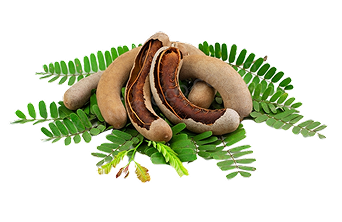
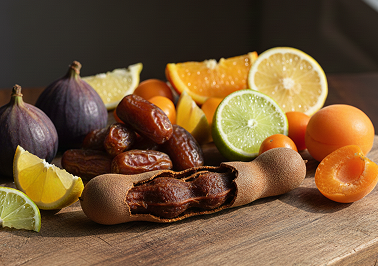
Known worldwide for its amazingly unique tropical blend of fig, apricot, and date with an undeniable citrusy sourness, Tamarind is prized for its culinary diversity as well as its nutrition. Tamarind Pulp naturally contains Fiber, Magnesium, Calcium, Potassium, and Vitamin C. The sweetness of Tamarind comes from naturally occurring fructose and glucose in the fruit, while the sourness comes from tartaric acid (an antioxidant).
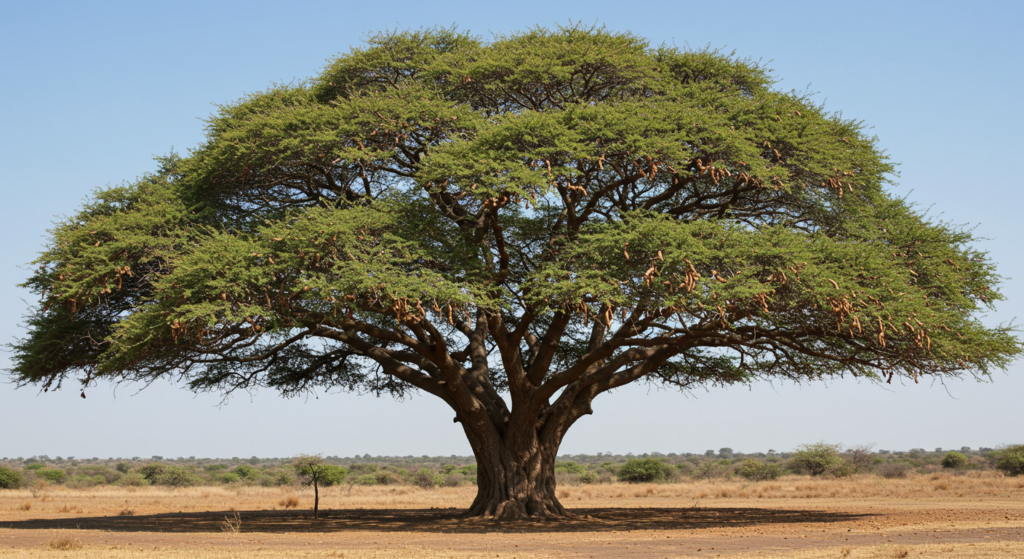
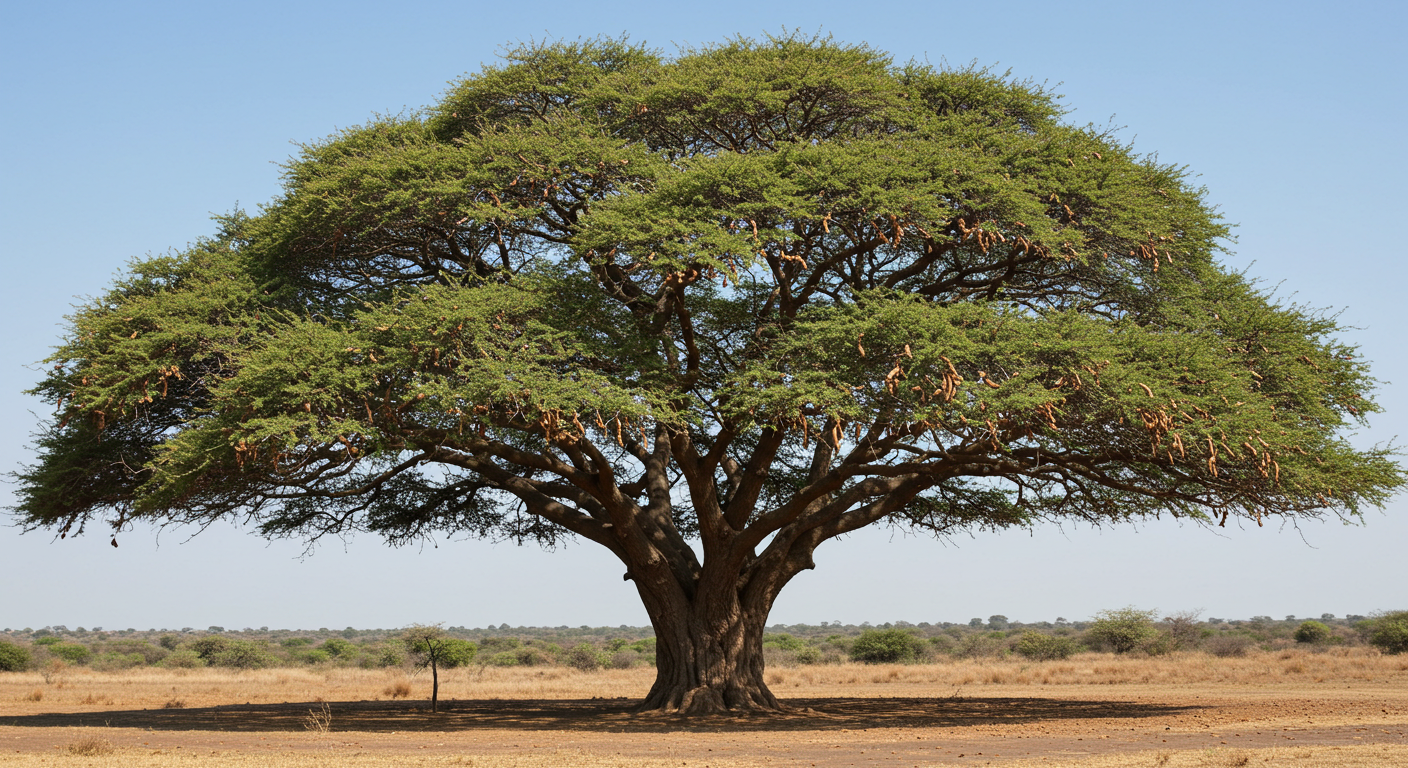
Originating in Tropical Africa thousands of years ago, this amazing sweet and sour fruit quickly made its way to Asia, India, and later to Latin America and the Caribbean. Super hardy and drought tolerant, the Tamarind tree can also be seen in semi-arid and dry savannas, growing to 100 feet tall and living up to 200 years. These majestic trees have nourished and sustained generations as the entire fruit is edible from the pulp, leaves, flowers, and seeds (when cooked).
Originating in Tropical Africa thousands of years ago, this amazing sweet and sour fruit quickly made its way to Asia, India, and later to Latin America and the Caribbean. Super hardy and drought tolerant, the Tamarind tree can also be seen in semi-arid and dry savannas, growing to 100 feet tall and living up to 200 years. These majestic trees have nourished and sustained generations as the entire fruit is edible from the pulp, leaves, flowers, and seeds (when cooked).

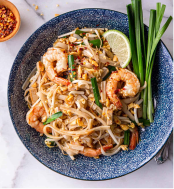
Tamarind is the sweet and sour taste in your Pad Thai. It’s the tang in Worcestershire sauce. You dip your samosas in a Tamarind sauce at your favorite Indian restaurant. And if you love spicy, flavorful Mexican candies, you’ve definitely tasted Tamarind.
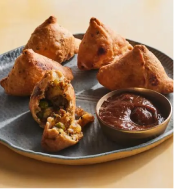


What happens when an American falls in love with the sweet-and-sour power of Tamarind—with its sticky tropical goodness and a tang you can feel in your cheeks? When that person, awakened to its potential and obsessed with its flavor, sees endless possibilities for Tamarind’s glorious introduction to the American palate and cuisine?
You get Gnaw Bear!
What started with a sip of Agua de Tamarindo (Tamarind Water) escalated quickly to gnawing on Tamarind Pods while hiking in beautiful Malibu Creek State Park. We are obsessed with Tamarind’s complex notes of fig, apricot, and date, all wrapped in a citrusy sourness that melds perfectly in both sweet and savory foods.
We are here to introduce you to Tamarind and put The Sweet and Sour Superfruit in its rightful place, as a staple in American’s culinary repertoire.
Gnaw Bear isn’t just a drink. It’s the start of a Tamarind revolution.You’ve never had a Tamarind drink like this.
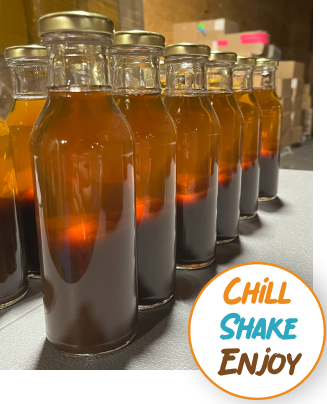
Gnaw Bear Events always include plenty of free samples. Come taste the sensation for yourself!
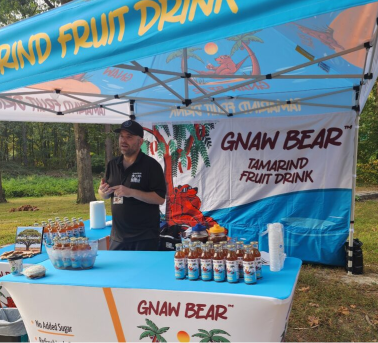

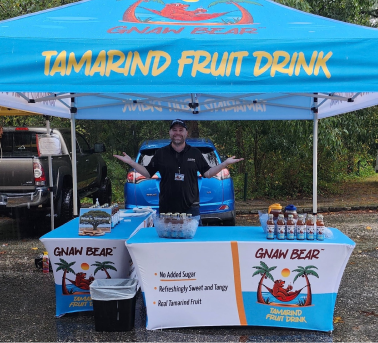

Join Gnaw Bear and take your taste buds on a Tamarind Journey
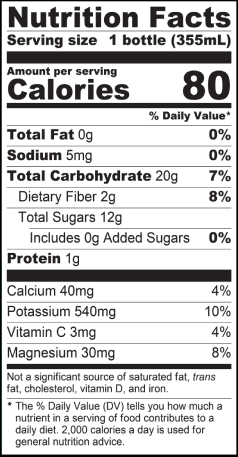
Zero Added Sugar, Only 80 Calories per Bottle. Sweet, Sour, and Delicious1

Join Gnaw Bear and take your taste buds on a Tamarind Journey
Zero Added Sugar, Only 80 Calories per Bottle. Sweet, Sour, and Delicious
We’re super grateful that people are connecting with our labor of love.
Tamarind grows in the US in our most tropical and hot environments, i.e. South Florida. The trees are sensitive to frost and require sustained intense warmth to survive and thrive. For this reason, you’ll find tamarind is very popular in places like Asia, India, Latin America, and the Caribbean.
Yes, you can! Tamarind is available in most Asian and Latin markets. Try to find pods with an intact shell. When you get home, crack open the shell, discard the fibrous veins, and enjoy the delicious sweet and sour pulp. Be careful with the seeds inside, however, as they are hard as rocks.
Of course you can! Please see our calendar of events and come by our booth. We always have free samples to share.
Gnaw Bear has none of the nine major allergens in its ingredients. However, Gnaw Bear is made in a facility that produces other products. Although we take great care to sanitize all equipment before use, we can’t 100% guarantee there aren’t trace amounts present.
Similar to wine grapes, Tamarind contains potassium and tartaric acid. The two can bind together in cold conditions to create tartrate crystals (tamarind diamonds) that can appear at the bottom of the bottle when cooled. Tamarind diamonds are essentially cream of tartar (potassium bitartrate) and are tasteless and safe to eat. We don’t cold stabilize Gnaw Bear and pride ourselves in bringing you a minimally processed drink that is full flavor.
Join Gnaw Bear and take your taste buds on a Tamarind Journey. Zero Added Sugar, Only 80 Calories per Bottle. Sweet, Sour, and Delicious
We’re so excited to have launched in Richmond, VA. Please come see us weekly at the RVA Big Market and South of the James Farmers Markets.